How AI demand is reshaping memory parts, availability, and pricing
DRAM prices jumped 172% year-over-year by Q3 2025 as AI data centers drove insatiable demand for high-bandwidth memory. Z2 examines the forces behind the squeeze: HBM capacity shifts at Micron, Samsung, and SK Hynix, accelerated DDR4 obsolescence, and sharp price and lead-time shocks.
Prices for DRAM and NAND crept up through late 2024 and into 2025, then accelerated from September onward. By the end of Q3, media outlets reported DRAM prices had risen a staggering 172% year-over-year.
In the final months of 2025, hyperscalers like AWS, Microsoft Azure, and Google Cloud absorbed DRAM increases as high as 50% in October and still received only partial fulfillments. In the most extreme cases, DDR5 contract prices spiked as much as 100% month-over-month, with AI data centers among the chief culprits.
By the end of Q3, media outlets were reporting that DRAM prices had increased a staggering 172% year-over-year, with the steepest jumps arriving from September onward.
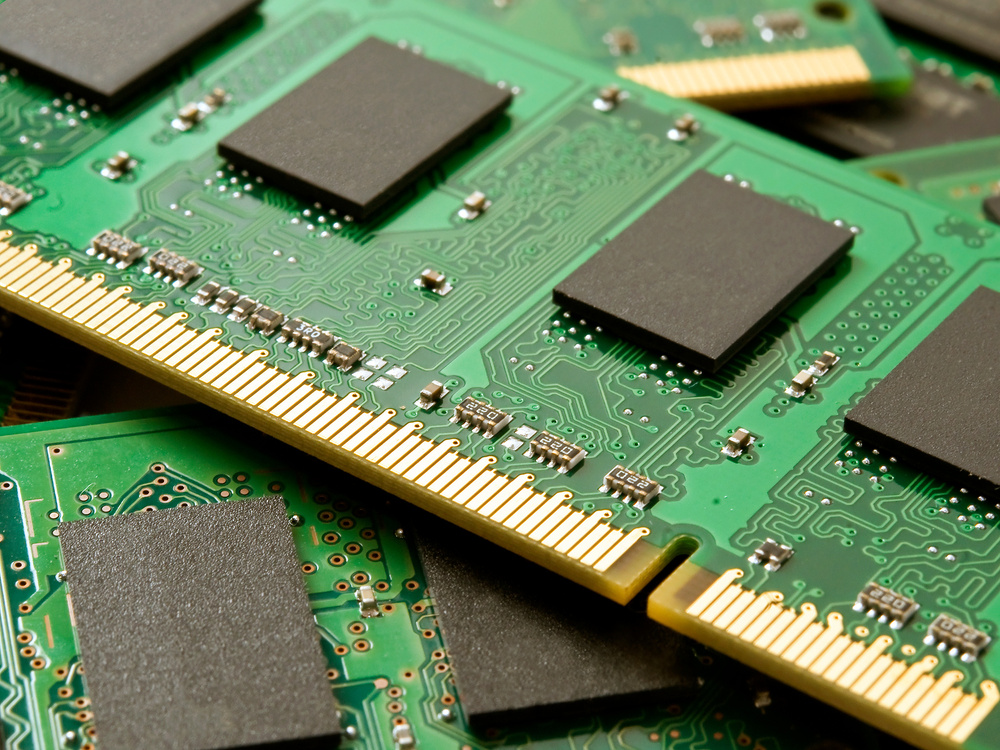
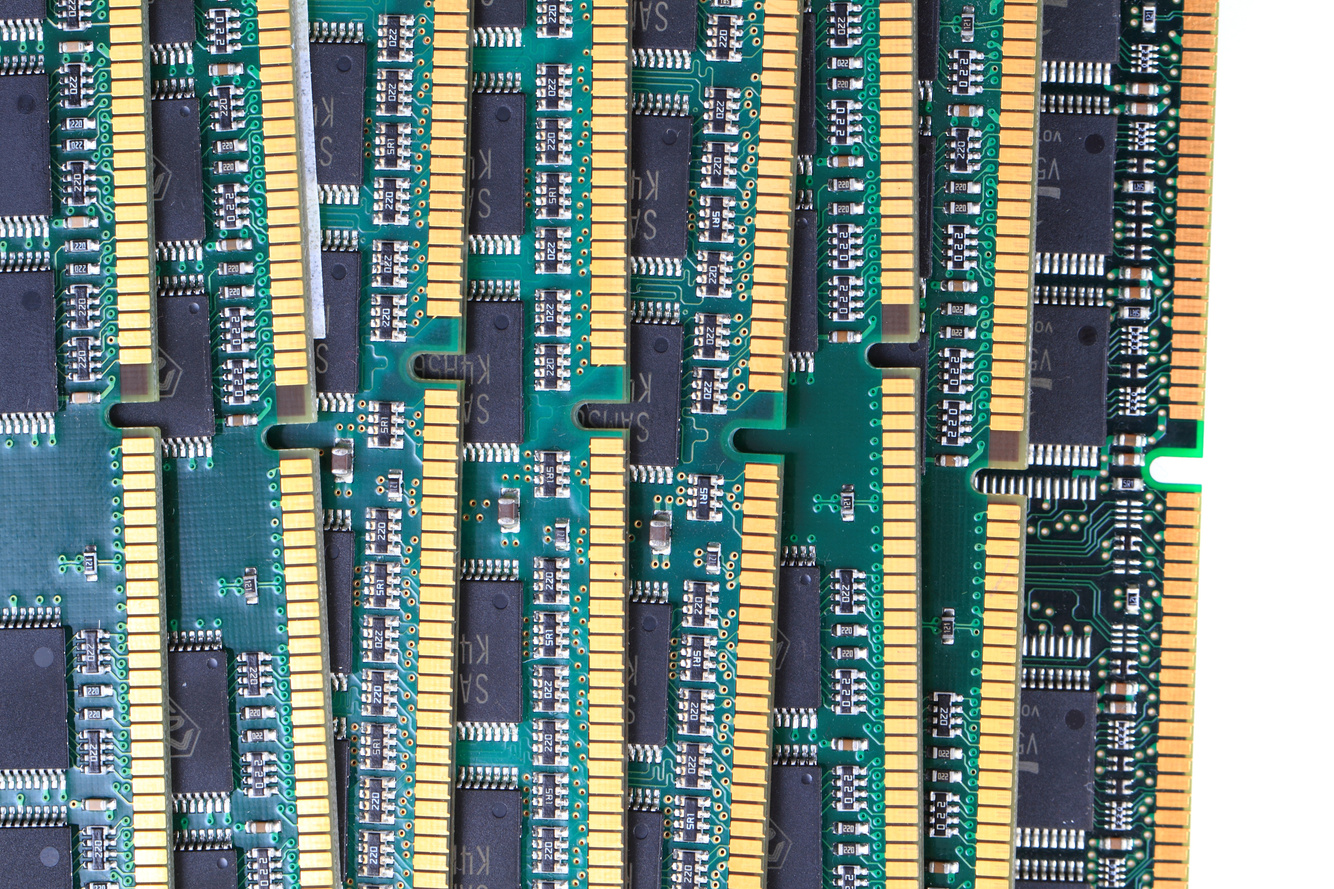
High-bandwidth memory (HBM) is essential to AI accelerators, delivering the data transfer rates AI models need for training and inference. To feed AI data centers, Micron, Samsung, and SK Hynix are diverting production away from DRAM, NAND, and other traditional commodities toward HBM, gradually shrinking the supply of everything else.
The signals are concrete: SK Hynix converted its M10 fab to HBM packaging lines, and Samsung is pulling its Pyeongtaek P4 site forward to late 2026, with HBM orders projected to more than triple over 2025. Much of that expansion comes at the literal expense of DRAM lines.
The flipside to every HBM expansion announcement is a further throttling of the commodity memory market, as growing demand meets stagnant and even shrinking supply.
Micron, Samsung, and SK Hynix are allocating a growing share of fabrication and IC assembly capacity to HBM. The table below maps their key DDR and HBM sites, drawn from Z2’s database.
| Manufacturer | Memory type | Country |
|---|---|---|
| Micron | DDR5 / HBM | Japan |
| Micron | DDR5 | Taiwan |
| Micron | DDR5 | China |
| Micron | DDR5 / HBM (planned) | U.S.A. |
| Samsung | DDR5 / HBM | South Korea |
| Samsung | DDR5 | South Korea |
| Samsung | DDR5 | South Korea |
| Samsung | HBM | South Korea |
| Samsung | HBM | South Korea |
| SK Hynix | DDR5 / HBM | South Korea |
| SK Hynix | DDR5 | China |
| SK Hynix | HBM | South Korea |
| SK Hynix | HBM | South Korea |
EOL trends reveal what manufacturers are prioritizing. In 2023, nearly three-quarters of DDR4 MPNs in Z2’s database were active, with only 26% obsolete. By 2024 over a third had gone EOL, and in 2025 nearly half of all DDR4 parts are now obsolete, a 12-point jump in a single year, coinciding with the rise of HBM.
Micron’s decision to discontinue its Crucial line is emblematic: the company is prioritizing AI customers’ demand for HBM over its older memory products.
DDR4 active vs. EOL MPNs (2023–2025)
From January 2024 to January 2025 the average price of a memory chip in Z2’s database rose 160%; by the end of November 2025 it was up over 200% from January 2024. For the top manufacturers’ chips, total inventory shrank nearly 62% from early June to early December while prices and lead times climbed.
Top memory chip price & lead time
| Date | Avg lead time | Avg price |
|---|---|---|
| Jun 1, 2025 | 13.5 wks | $11.17 |
| Aug 10, 2025 | 17 wks | $13.58 |
| Oct 26, 2025 | 20.5 wks | $15.10 |
| Dec 7, 2025 | 21.5 wks | $19.05 |
-62%
top-maker inventory, Jun–Dec
~2×
lead times vs. start of year
The DRAM market is dominated by just three companies: Micron, Samsung, and SK Hynix. Producing DRAM requires highly specialized expertise, and while more firms can assemble modules, only a few can execute every step of manufacturing.
That means every capacity decision these three make ripples across the entire market. There are no manufacturers waiting in the wings to fill the void when a major player shifts to HBM, so supply tightens and prices climb.
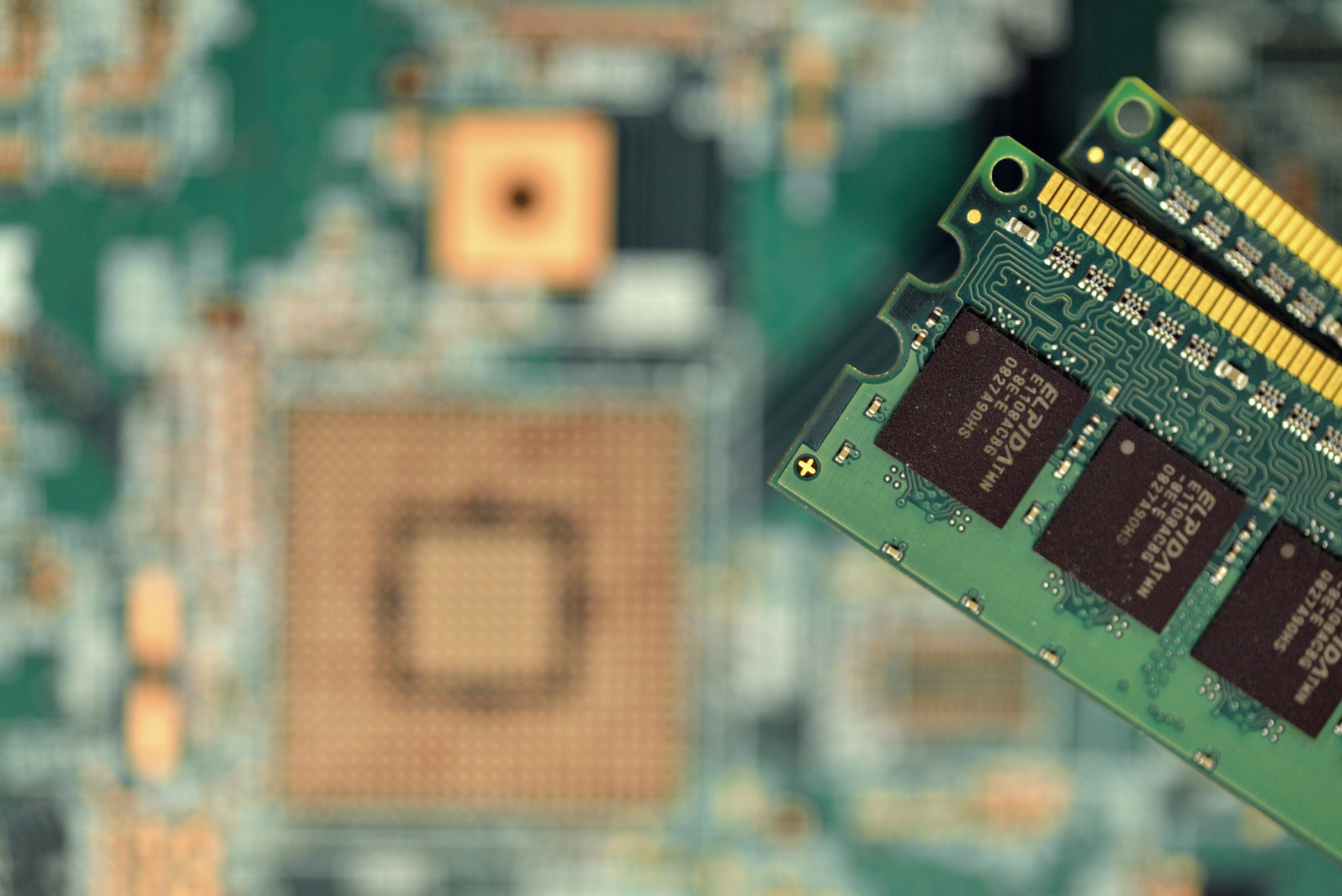
Unlike the Nexperia dispute, whose worst effects were short-lived, the memory squeeze is systemic: surging HBM demand is pulling fab capacity away from traditional memory, and some insiders foresee tightness into 2027. The question is no longer whether the market stays volatile, but how to reduce exposure. Z2’s platform helps buyers shift from reactive firefighting to proactive monitoring:

Track prices, inventory, and lead times for every memory part across all distributors in real time, set component-level alerts, and use Lifecycle Forecasting to see which DDR parts are most at risk of EOL before a shortage hits your line.
Get a Demo