


:quality(85))
Article Highlights:
- Supplier due diligence plays a critical role across procurement, risk management, and compliance functions. It supports regulatory adherence, informs sourcing decisions, and helps organizations meet growing ESG expectations.
- Many organizations believe their due diligence programs are effective because they have structured processes in place. Supply chain and compliance teams send questionnaires, collect documentation, and complete onboarding checks. However, these activities often create an illusion of control rather than a true, accurate understanding of risk.
- The consequences of gaps in due diligence are both immediate and long-term, and encompass everything from regulatory penalties to operational disruptions to reputational fallout.
Supplier due diligence is the process of evaluating and continuously monitoring suppliers to identify risks related to compliance, financial stability, operational performance, and environmental and social impact. At its core, due diligence is about understanding who your suppliers are, how they operate, and where hidden risks may exist across your supply chain.
But due diligence isn’t always as straightforward as that definition would suggest, and there are myriad hazards, blind spots, and pitfalls that can leave organizations vulnerable to risks—even when they think they’ve thoroughly assessed their supply chains.
Basic vs. Enhanced Due Diligence
There’s a meaningful difference between basic and enhanced due diligence. Basic due diligence typically focuses on onboarding activities such as financial checks, certifications, and sanctions screening. Enhanced due diligence, on the other hand, goes further by examining deeper and often less visible risks, including ESG performance, human rights exposure, geopolitical dependencies, and upstream supplier relationships. This distinction matters because modern supply chains are interconnected, and risk rarely stops at the first tier.
Supplier due diligence plays a critical role across procurement, risk management, and compliance functions. It supports regulatory adherence, informs sourcing decisions, and helps organizations meet growing ESG expectations. And for the latter priority, it’s no longer just about avoiding disruption or penalties; it’s about building transparency and trust across the entire supply chain.
Why Supplier Due Diligence Fails More Than You Think
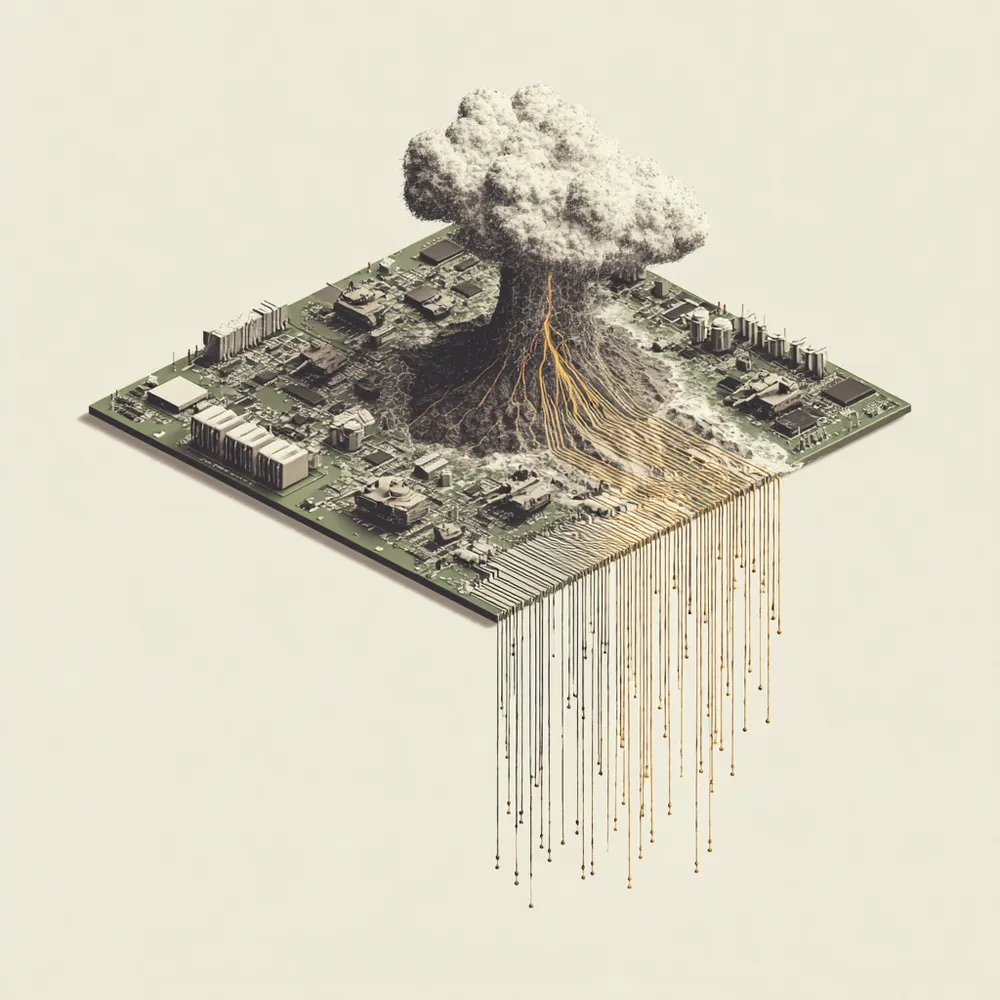
Many organizations believe their due diligence programs are effective because they have structured processes in place. Supply chain and compliance teams send questionnaires, collect documentation, and complete onboarding checks. However, these activities often create an illusion of control rather than a true, accurate understanding of risk. In these instances, the presence of a process masquerades as effective coverage, convincing businesses that they’ve covered their bases. The reality, though, is that key exposures remain unexamined.
A major contributor to failure is the reliance on static processes in a constantly evolving supply chain. Suppliers change ownership, sourcing locations shift, and new regulations emerge, yet due diligence programs are often treated as fixed workflows. What was accurate during the onboarding phase can quickly become outdated and even obsolete, leaving organizations with a false sense of security.
There’s also a tendency to overemphasize onboarding as the primary risk control point. While initial screening is important, it only captures a single moment in time. New risks emerge and develop over months and years, as suppliers evolve, expand, or encounter operational challenges. Without continuous monitoring, companies are left reacting to issues after they surface, rather than identifying them preemptively.
While initial screening is important, it only captures a single moment in time. New risks emerge and develop over months and years, as suppliers evolve, expand, or encounter operational challenges.
The Hidden Pitfalls in Supplier Due Diligence
Overreliance on Checklists and DDQs
Standardized questionnaires and checklists are widely used because they’re scalable and easy to implement. But these forms of documentation frequently prioritize efficiency over depth. Organizations may collect large volumes of supplier responses without gaining meaningful insight into actual risk.
The core issue is that checkbox compliance simply does not reflect real world conditions. Suppliers may provide incomplete, outdated, or overly favorable answers, and there are often limited validation protocols when it comes to vetting the information that’s been submitted. Over time, organizations begin to equate completed questionnaires with reduced risk, even when no deeper verification has actually taken place.
Lack of Sub-Tier Supply Chain Visibility
Most due diligence efforts focus heavily on tier one suppliers, which creates a significant blind spot. While direct suppliers are easier to assess, they’re not always where the greatest risks originate.
Issues such as forced labor, environmental violations, and geopolitical exposure often exist further upstream—in tier two or tier three suppliers. Because these suppliers are not directly contracted, they’re harder to identify and evaluate. But their adverse impact can be just as severe, particularly when disruptions or compliance violations occur unexpectedly.
Poor Data Quality and Fragmentation
Effective due diligence depends on accurate and complete data. But many organizations rely on information that is incomplete, outdated, or self-reported without verification. This weakens the reliability of risk assessments and introduces uncertainty into decision-making.
Data fragmentation compounds this problem. Supplier information is often spread across procurement systems, legal records, compliance tools, and ESG platforms, each with its own structure and standards. Without integration, organizations struggle to build a consistent and comprehensive view of supplier risk.
Neglecting ESG and Human Rights Risks
As global regulations expand, ESG and human rights risks are becoming central to supplier due diligence. Despite this, many programs still treat these areas as secondary considerations rather than core risk factors.
This creates exposure to serious issues, including unsafe working conditions, forced labor, and environmental noncompliance. These risks can trigger regulatory penalties, disrupt operations, and cause lasting reputational damage. Organizations that fail to incorporate ESG into due diligence are often underestimating their true level of exposure.
One-Size-Fits-All Risk Models
A less obvious but equally impactful pitfall is the use of uniform risk models across all suppliers. Not every supplier presents the same level or type of risk, yet many due diligence programs apply identical assessments without sufficiently incorporating context.
This approach leads to inefficient resource allocation, among other potential downstream issues. High-risk suppliers may not receive the level of scrutiny they require, while low-risk suppliers are over-assessed. Without a risk-based approach, due diligence becomes a process exercise rather than a strategic risk management tool.
The Real Risks of These Hidden Gaps
The consequences of these hidden gaps are both immediate and long-term. Regulatory penalties can arise when organizations fail to identify noncompliant suppliers, particularly as laws targeting forced labor, environmental practices, and supply chain transparency continue to expand. What may seem like a minor oversight can quickly escalate into a significant legal issue.
Operational disruption is another major risk. A single failure within a sub-tier supplier can cascade through the supply chain, halting production and delaying delivery timelines. Because these risks are often hidden, they tend to surface without warning, leaving organizations with limited time to respond.
Reputational damage can be even more difficult to recover from. Public exposure of ESG-related issues can erode customer trust, trigger investor concern, and attract regulatory scrutiny. Financial losses often follow, whether through fines, lost revenue, or the cost of remediation efforts that could have been avoided with stronger due diligence.
What High-Performing Due Diligence Programs Do Differently
High-performing organizations treat supplier due diligence as a dynamic process, rather than a fixed task that’s executed once and then left alone. Instead of treating a single snapshot in time as an all-encompassing picture of a supplier’s risk profile, they work to continuously understand manufacturer risk, adapting their approach as conditions change. This shift allows them to move beyond reactive compliance and toward proactive risk management.
Several key capabilities consistently set these more continuous, comprehensive programs apart:
- Risk-based segmentation of suppliers
The more risk-forward organizations categorize suppliers based on factors such as geography, criticality, regulatory exposure, and ESG risk. This ensures that riskier suppliers receive deeper scrutiny and more frequent review.
- Continuous monitoring instead of one-time onboarding
Rather than relying solely on initial assessments, top organizations track supplier risk over time. This includes monitoring regulatory updates, adverse media coverage, operational changes, and ESG developments.
- Cross-functional ownership of supplier risk
Responsible businesses encourage procurement, legal, compliance, and ESG teams to collaborate and create a unified view of supplier risk. This reduces silos and ensures that different types of risk are assessed together rather than in isolation.
- Integrated technology and data systems
High-performing programs invest in platforms that centralize supplier data and automate workflows. By connecting internal and external data sources, they improve both visibility and decision-making.
Together, these capabilities enable organizations to identify risks earlier, respond more effectively, and build more resilient supply chains.
High-performing organizations treat supplier due diligence as a dynamic process, rather than a fixed task that’s executed once and then left alone.
How to Strengthen Your Due Diligence With Z2
Strengthening supplier due diligence requires addressing the blind spots that limit visibility and accuracy. Rather than adding more steps, organizations should focus on improving the quality and depth of their approach.
The following actions provide a practical foundation for a strong, proactive due diligence process:
- Map your supply chain beyond tier one
Identify critical upstream suppliers to uncover hidden dependencies and risks that are not visible at the surface level. - Improve data collection and validation
Combine supplier-provided information with external data sources to ensure accuracy and reduce reliance on unverified inputs. - Combine qualitative and quantitative risk signals
Use questionnaires alongside measurable indicators such as financial scores, compliance records, and incident data to build a more complete risk profile. - Implement ongoing reassessment cycles
Regularly update supplier risk assessments to reflect changes in operations, regulations, and market conditions. - Align with global due diligence frameworks
Frameworks such as OECD guidelines and the UN Guiding Principles provide structure and consistency, helping organizations strengthen both compliance and credibility.
One proven way that businesses can strengthen their due diligence is with the support of a supply chain risk management (SCRM) tool. SCRM platform Z2 offers organizations in industries like automotive, aerospace, and electronics the data, intelligence, and outreach capabilities crucial to sustaining a robust due diligence framework. With Z2, businesses can strengthen every aspect of the above processes, including through:
- Supply Chain Mapping to the Nth Tier
- Supplier Campaigning
- Comprehensive Risk Profiles of 700,000 Suppliers
- Dedicated Outreach Teams
- Compliance Support for 180+ Regulations
To learn more about Z2 and how it can help companies strengthen their due diligence, schedule a free trial with one of our product experts.