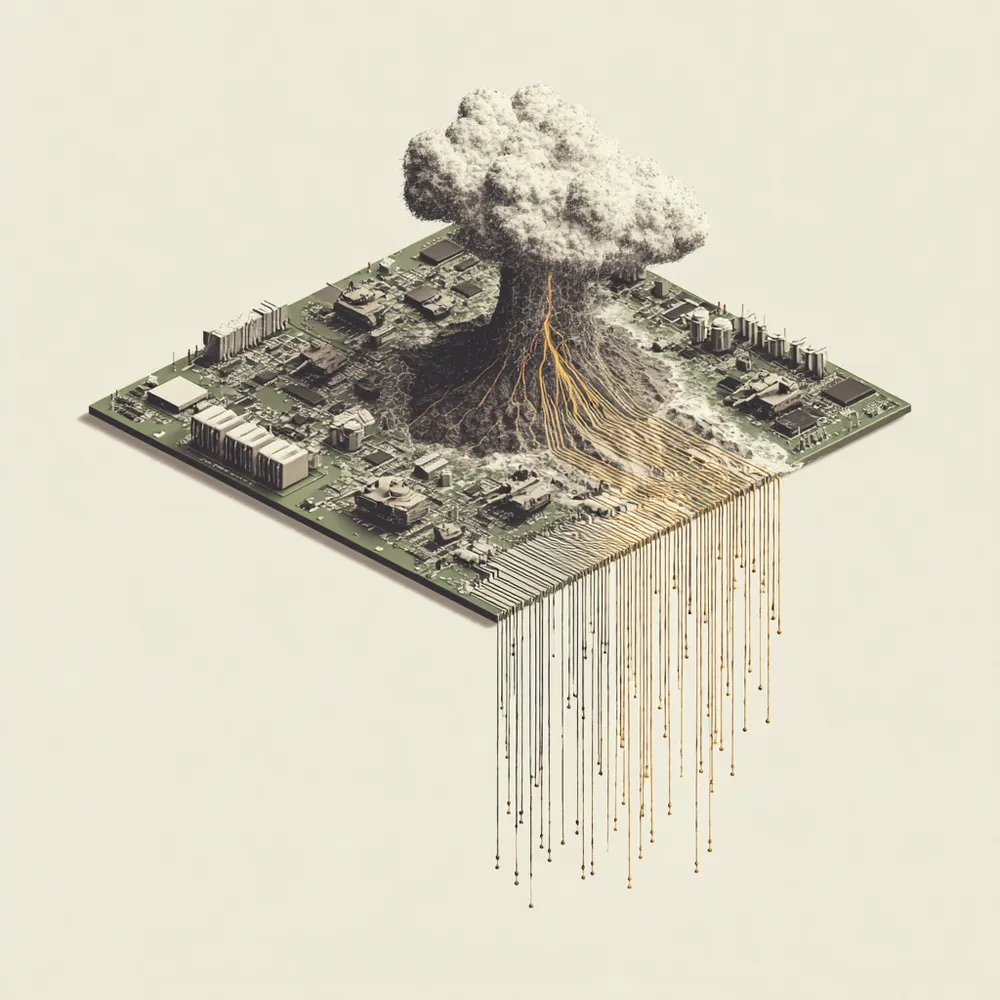
Make your reactive, proactive, and strategic obsolescence process automated, digitized, and traceable, from component-level risk forecasts to documented last-time-buy decisions.








The Challenge
Discontinuation notices land late and case by case, risk is traced by hand through multi-level BOMs, and the decisions that follow scatter across spreadsheets no auditor can reconstruct.
The Data Layer
Every forecast and risk score is built on the same component and supplier data that powers the rest of the Z2 platform, so the lifecycle status you act on is real, not guessed.
Reactive
Manage discontinuation cases against IEC 62402, from first notice to final disposition. Z2 interfaces with the smartPCN & VDMA 24903 formats, so notices flow in cleanly and each case carries its impact, alternates, and decision in one place.
Proactive
Z2 scores overall component risk using international standards, aggregating occurrence probabilities up to the component and linking each one to solution options. You see which parts are likely to go obsolete in time to design them out or stock ahead.
BOM rollup
Risk and lifecycle status do not stop at the part. Z2 rolls them up through every level of the bill of materials, so a single NRND component surfaces on the sub-assembly and the finished product that depend on it.
Integration
Lifecycle, classification, compliance, technical parameters, and pricing sync with the ERP and PLM systems you already run. Engineering, sourcing, and compliance read from the same component record instead of reconciling exports by hand.
Traceability
Allocate tasks, attach the supporting files, and keep a full change history on every case. When an auditor asks why a part was swapped, the answer is one click away. Available as SaaS or on-premises.
How it works
Lifecycle Management runs the path from early risk signal to documented decision, so your team works cases, not spreadsheets.
Who it's for
Built for the long-life programs in military, aerospace, rail, automotive, industrial, and medical, where a single obsolete part can halt a line.
Forecast which components are heading toward discontinuation and run each case against IEC 62402, so last-time-buys are planned early instead of scrambled after the notice.
See lifecycle status and obsolescence risk at the part level before you commit it to a board, with linked solution options when a component is already trending toward end-of-life.
Every case carries its source documents, decisions, and full change history, so the record holds up when an auditor or a customer in a regulated program asks why a part changed.
Standards & Formats
Z2 Lifecycle Management conforms to the international standards that govern obsolescence management in defense, aerospace, rail, medical, and industrial programs.
International standard providing requirements and guidance for obsolescence management throughout the product lifecycle.
DMSMS guidebook supporting practitioners managing diminishing manufacturing sources and material shortages in defense programs.
Standardized product change notification network. Z2 ingests smartPCN-format notices so changes flow in without manual re-entry.
Guideline for mechanical and plant engineering covering obsolescence handling and structured change-notice exchange.
Capabilities
Both modules ship together. Reactive obsolescence case management and proactive risk assessment are two views of the same component data.
Customer Stories
"With all the information we need — from lifecycle forecasts and environmental data, to alerts, changes, and replacement options — the structured interface gives us the perfect framework to manage obsolescence at scale."
"We had always practiced obsolescence management, only these activities were never tracked or analyzed centrally. Now the entire process is standardized, visible, and auditable across every program."
"We are finally able to conduct and automate our full-scale lifecycle risk assessment across multi-level BOMs within a secure, traceable environment — something spreadsheets could never give us."
Common Questions
It is the practice of tracking where every component sits in its life, from active to NRND to obsolete, and acting before a discontinuation disrupts production. Z2 Lifecycle Management makes that process automated, digitized, and traceable, from component-level risk forecasts to documented last-time-buy decisions.
Obsolescence cases are managed against IEC 62402:2019 and align with SD-22 DMSMS practice, and the system interfaces with the smartPCN and VDMA 24903 formats for change-notice exchange. Component risk is assessed using established international risk standards.
Reactive obsolescence management handles a discontinuation case after the notice arrives: assess impact, find alternates, and document the decision. Proactive risk management scores a component’s probability of going obsolete before any notice exists, so you can design out or stock the part early. Z2 runs both in one place.
Yes. Lifecycle status, classification, compliance, technical parameters, and pricing sync with your existing ERP and PLM systems, so engineering, sourcing, and compliance all work from the same component record instead of separate spreadsheets.
Both. Lifecycle Management is available as a hosted SaaS deployment or installed on-premises, with the same workflow, task allocation, file attachments, and full change history in either model.