


:quality(85))
Destaques do artigo:
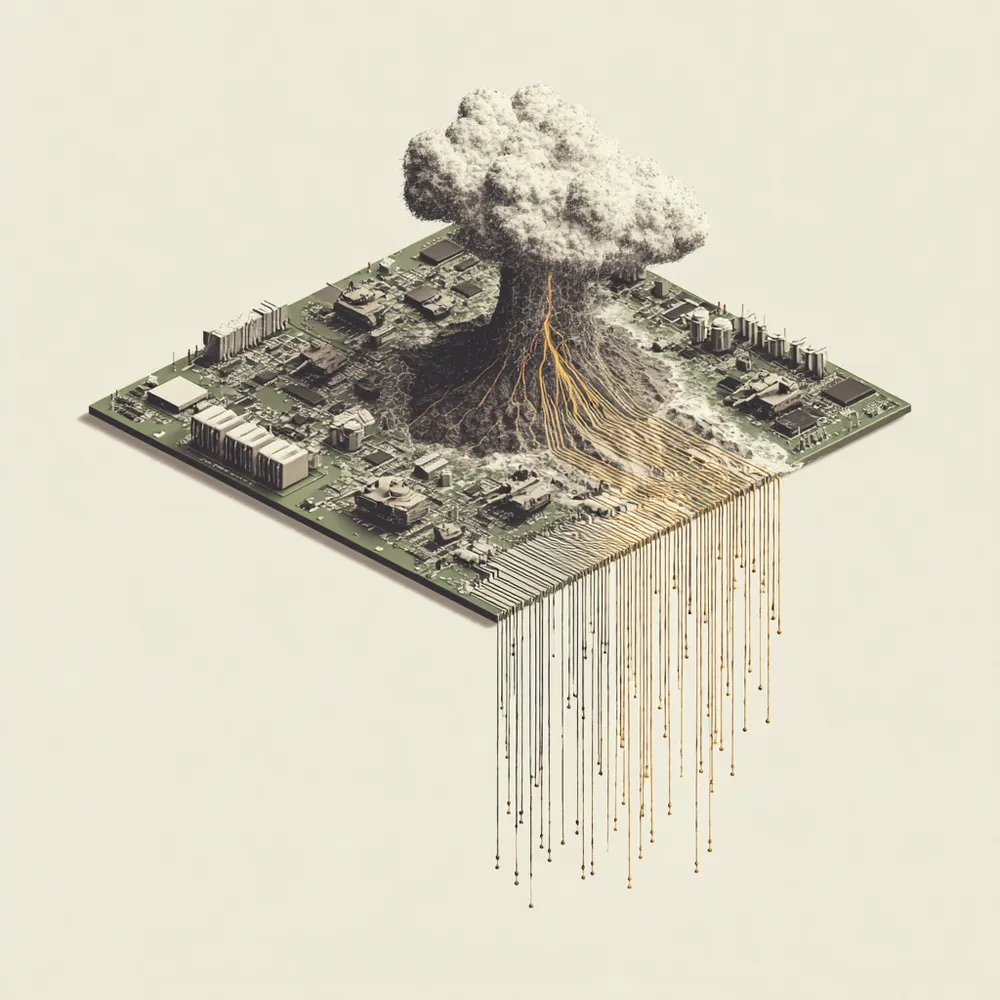
Os jatos e outros produtos aeroespaciais têm ciclos de vida de programa que se prolongam por décadas, enquanto os componentes no seu interior podem estar em produção apenas durante cinco ou seis anos. Esta enorme discrepância está na origem de uma das mais dispendiosas e recorrentes dores de cabeça na indústria de defesa.
Quando a obsolescência é detetada tardiamente, a única opção remanescente é o redesenho. Um layout de placa baseado num componente que já não existe tem de ser reprojetado do zero. Numa plataforma aeroespacial certificada, isto pode implicar repetir partes do processo de qualificação.
O que distingue um programa de obsolescência gerível de outro mais instável e reativo é, muitas vezes, a visibilidade: saber o estado do ciclo de vida de um componente antes de passar a NRND ou EOL, assegurando uma solução qualificada antes de o redesenho ser a única opção.
Muitos dos caças desenvolvidos nos anos 90 ainda são fabricados e espera-se que continuem a voar hoje. Isto significa que os componentes eletrónicos desses aparelhos também têm de continuar a funcionar no seu interior.
No entanto, como qualquer pessoa envolvida em engenharia, aprovisionamento ou resiliência da cadeia de abastecimento na indústria aeroespacial e de defesa sabe bem, existe aqui um desfasamento notório. Esses jatos têm ciclos de programa que duram décadas, mas os componentes no seu interior podem estar em produção apenas cinco ou seis anos. Esta diferença abismal está na origem de uma das dores de cabeça mais recorrentes e onerosas na produção de defesa. A obsolescência de produtos não se anuncia com comunicados de imprensa. Surge de forma discreta, geralmente sob a forma de um aviso de descontinuação (PDN) perdido em boletins do fornecedor. Quando a equipa de engenharia repara no PDN, uma peça crítica para um sistema de armamento ou um módulo de aviônica pode já estar indisponível, obrigando a redesenhar o avião de forma célere e segura.
Para programas aeroespaciais e de defesa, o cronómetro do redesenho pode ser implacável. Requalificar um único componente exige normalmente um longo percurso de testes e análise de falhas, nova documentação e, em certos casos, a reabertura completa de um processo de certificação que demorou anos até ser concluído da primeira vez. Multiplique-se este impacto por dezenas de milhares de componentes numa plataforma moderna, e rapidamente se percebe porque motivo a gestão da obsolescência se tornou uma disciplina fundamental no setor aeroespacial e de defesa, que vale um bilião de dólares.
Porque é que a obsolescência de produtos afeta mais a indústria aeroespacial e de defesa do que outros setores
Tal como os fabricantes de jatos e de armamento, também as empresas de eletrónica de consumo enfrentam a descontinuação de componentes. Mas contam com uma vantagem inexistente nos programas de defesa e aeroespacial: os ciclos de vida dos seus produtos geralmente acompanham o ciclo de vida dos semicondutores e outros componentes eletrónicos que os integram. Um dispositivo de consumo redesenhado a cada 18 meses raramente tem de lidar com a obsolescência de componentes a meio de uma produção em série.
Nos programas de defesa e aeroespacial, este cenário de conforto simplesmente não existe. Uma plataforma pode permanecer em operação 30 anos ou mais, enquanto o mercado comercial de semicondutores – que fornece a maioria dos componentes eletrónicos usados no setor – renova referências a cada cinco a sete anos, por vezes ainda mais rápido nas gamas de processamento mais avançadas. O Departamento de Defesa tem mesmo um termo para esta discordância crónica: Diminishing Manufacturing Sources and Material Shortages, ou DMSMS. O DMSMS é monitorizado como uma categoria de risco formal nos grandes programas precisamente porque a obsolescência de produtos não é um risco hipotético numa plataforma de 30 anos. Para a maioria dos produtos deste setor, é uma certeza matemática.
Junte-se a isto as camadas de conformidade específicas do setor – restrições ITAR, limitações da NDAA Secção 1260H relacionadas com componentes de origem estrangeira, e a preferência geral por cadeias de abastecimento rastreáveis a nível nacional – e a quantidade de componentes de substituição qualificados reduz-se ainda mais quando desaparece o componente original. Um engenheiro do setor comercial pode substituir por qualquer componente funcionalmente equivalente de um fabricante alternativo. Já um engenheiro de defesa dispõe frequentemente de uma lista muito mais curta de opções que cumpram tanto os requisitos técnicos como regulamentares.
O verdadeiro custo da gestão reativa da obsolescência
A maioria dos casos de obsolescência não é detetada através de bom planeamento. São descobertos quando quem compra tenta realizar uma encomenda de rotina e se apercebe de que o componente foi descontinuado. Em piores situações, o evento de obsolescência só se revela quando uma lista de materiais (BOM) com a peça envolvida já se encontra em plena produção. Nessa fase, as opções são escassas, todas dispendiosas, e a pressão atinge o auge.
Nestes cenários, um last-time-buy pode ser uma solução viável. Mas esta estratégia – na qual a empresa adquire todo o stock remanescente de um componente descontinuado para garantir anos de produção futura – imobiliza capital e espaço de armazém em peças que, por definição, já não estão a ser fabricadas. E não resolve a situação de forma definitiva, servindo apenas para ganhar tempo até o fabricante desenvolver e implementar uma solução mais permanente para o componente EOL.
Uma substituição em regime form-fit-function, onde uma equipa de engenharia qualifica uma alternativa que se comporta de modo idêntico ao original, evita o problema do armazenamento de longo prazo, mas traz um novo custo: testes de requalificação, atualização de pacotes de dados técnicos e um quadro de conformidade inteiramente novo. É nestes casos que a obsolescência evolui frequentemente para um redesenho total e não apenas para uma substituição simples – quando a embalagem específica, tolerâncias ou país de origem do componente original não podem ser replicados por nenhum produto atualmente em produção.
E, quando a obsolescência é detetada demasiado tarde, só resta o redesenho. Um layout de placa assente num componente que já não existe precisa de ser reprojetado de raiz. Numa plataforma aeroespacial certificada, isto pode implicar reiniciar partes do processo de qualificação e certificação desde o início.
Como construir uma estratégia eficaz de gestão da obsolescência
Os programas que evitam os piores cenários não são necessariamente os que possuem maiores orçamentos. São os que encaram o acompanhamento do ciclo de vida de componentes como um processo contínuo de apoio à decisão de engenharia e não como uma reação de emergência a seguir a um aviso de descontinuação.
Saber o estado do ciclo de vida dos componentes antes do projeto
Cada componente incluído numa lista de materiais (BOM) deve apresentar o seu estado de ciclo de vida juntamente com as especificações elétricas — ativo, não recomendado para novos projetos (NRND) ou fim de vida (EOL). Integrar um componente já sinalizado como NRND é dar início a um problema de obsolescência ainda antes da plataforma chegar à produção. Isto pode parecer óbvio, mas em programas cujas listas de materiais incluem milhares de referências, é precisamente este tipo de detalhe que passa despercebido sem um sistema que o torne visível.
Monitorizar continuamente, não apenas uma vez por ano
Os fabricantes raramente aguardam um momento conveniente para descontinuar um componente. E uma revisão de conformidade anual não é suficiente para detetar um aviso de descontinuação antes de se transformar numa escassez. Uma monitorização contínua e automatizada do ciclo de vida, ligada diretamente à BOM ativa de um programa, permite que as equipas de engenharia e aprovisionamento sejam notificadas sobre um próximo evento de fim de vida na mesma semana em que o fabricante o anuncia, conferindo-lhes meses de margem para identificar uma alternativa viável, garantir aprovisionamento estável e incorporar a solução na BOM.
Preparar uma lista de alternativas qualificadas
Para componentes com histórico de ciclos de produção mais curtos ou risco conhecido de obsolescência, identificar e pré-qualificar uma alternativa form-fit-function antes de ser necessária transforma uma crise numa simples substituição. Isto é especialmente relevante para componentes sujeitos a restrições NDAA ou ITAR, onde a lista de alternativas em conformidade já é curta e não deve ser construída sob pressão de prazos.
Monitorizar os fornecedores, não apenas os seus componentes
O risco de obsolescência de produtos não se resume a preparar e mitigar a chegada ao fim de vida de um componente específico. Implica igualmente considerar os riscos associados à dependência de um único fornecedor em dificuldades financeiras, a uma fábrica que desloca a produção de linhas antigas para novas tecnologias, ou a restrições geopolíticas que eliminam uma fonte previamente qualificada. Um componente pode ainda ter estado «ativo», mas o fornecedor pode enfrentar circunstâncias que, eventualmente, impeçam o acesso dos clientes a esse componente.
Mitigar a obsolescência de produtos com insights acionáveis e proativos
Embora as estratégias referidas acima ajudem as empresas a preparar-se para a inevitabilidade de eventos de obsolescência na indústria aeroespacial e de defesa, nenhuma elimina de todo a dificuldade de lidar com esses eventos EOL. Os componentes irão sempre atingir o fim de vida mais depressa do que os 30 anos de vida útil esperados dos produtos de defesa. O que distingue um programa de obsolescência gerível de outro menos estável e mais reativo é, muitas vezes, a visibilidade: saber o estado do ciclo de vida de cada componente antes de atingir NRND ou EOL e ter um caminho qualificado antes do redesenho ser a única alternativa.
A ferramenta de gestão de risco na cadeia de abastecimento (SCRM) Z2Data oferece às equipas de engenharia e aprovisionamento exatamente essa visibilidade, ajudando-as a compreender, em detalhe, o risco de obsolescência das suas peças. A Z2Data disponibiliza projeções de ciclo de vida líderes na indústria, baseadas num algoritmo com precisão superior a 90%. Este algoritmo considera critérios como procura do mercado, atividade do componente, total de unidades fabris e roadmaps tecnológicos para apresentar uma previsão fiável de quando um componente será descontinuado pelo fabricante. Juntamente com o estado do ciclo de vida, estas previsões servem de recurso valioso para decisões estratégicas de sourcing, aprovisionamento e projeto.
Para saber mais sobre as capacidades da Z2Data na gestão da obsolescência — e como podem ajudar fabricantes aeroespaciais e de defesa a gerir os seus desafios de ciclo de vida — agende um teste gratuito com um dos nossos especialistas de produto.