A rapidly escalating conflict in the Middle East and its early consequences for global supply chains
As fighting widens across the Middle East, the most consequential supply chain shock so far is the near-total shutdown of the Strait of Hormuz. Z2 breaks down the energy, metals, and semiconductor exposure already in motion, and maps the manufacturing sites most at risk.

Following a coordinated air assault and a swift counteroffensive, the conflict has widened significantly. While strikes have targeted government buildings, nuclear facilities, and other key infrastructure, retaliatory missiles have reached not only Israel but Qatar, Kuwait, Saudi Arabia, and the United Arab Emirates.
According to PBS, the conflict has now impacted at least 14 additional countries across the Middle East and beyond, pulling more nations into its orbit by the day and making the eventual ramifications difficult to forecast.
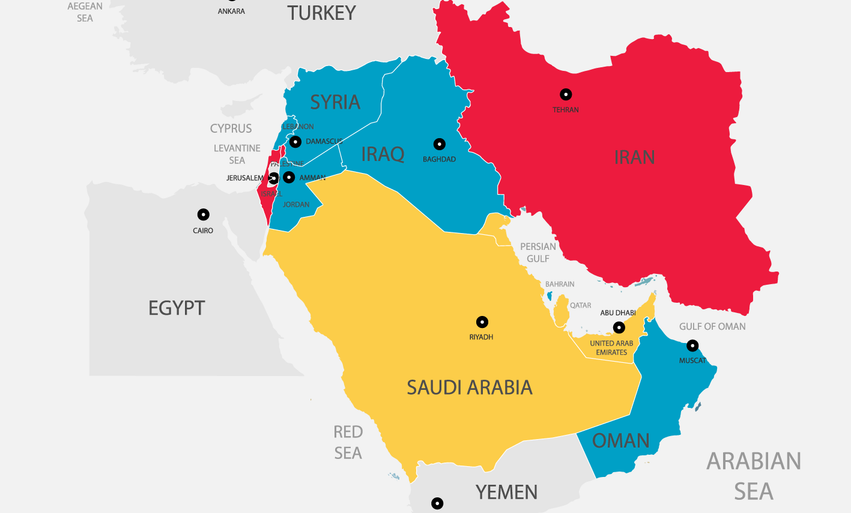
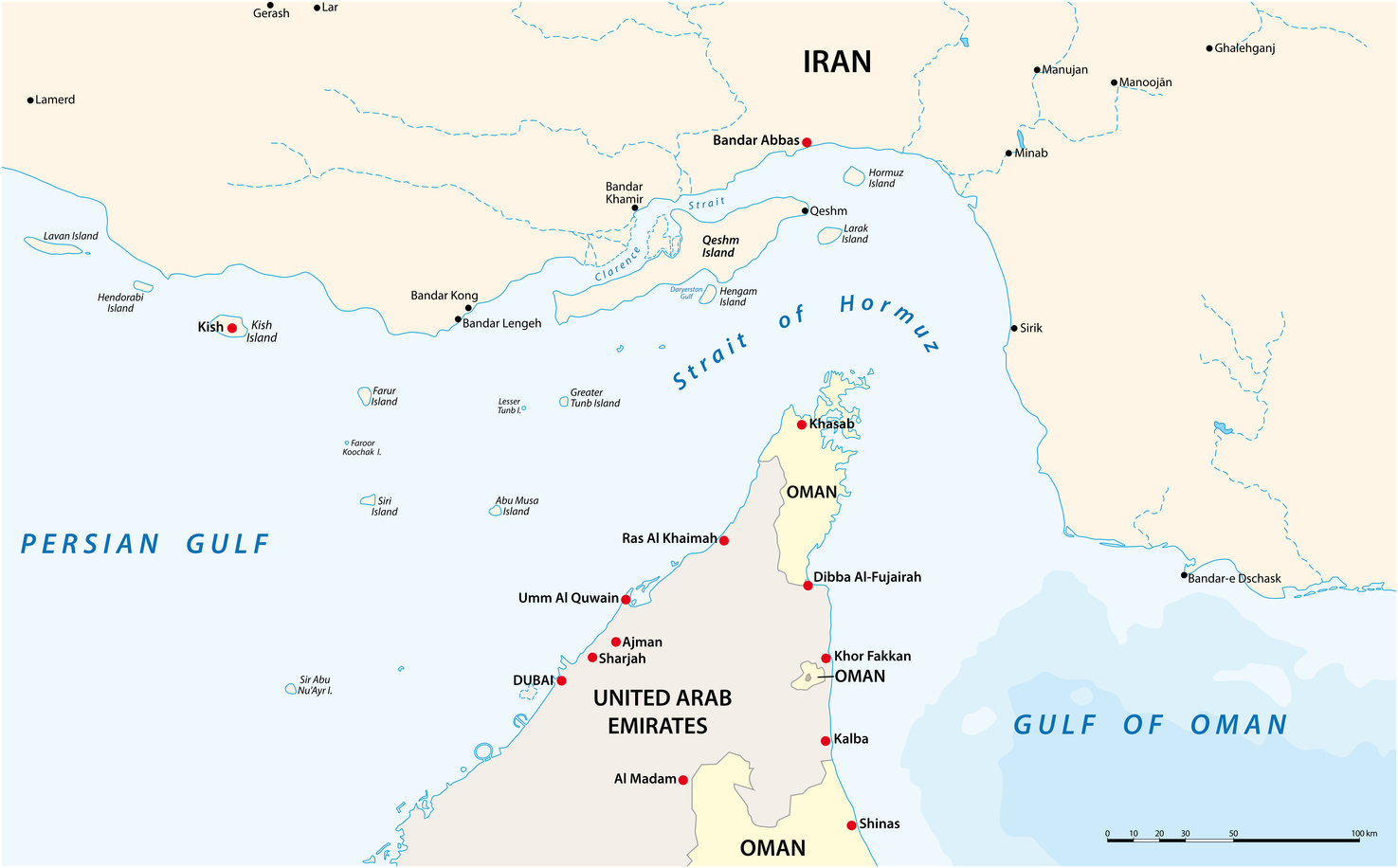
From a supply chain perspective, the most important impact so far has been on the Strait of Hormuz, the critical maritime lane connecting the Persian Gulf to the Gulf of Oman and the Arabian Sea. After threats against shipping, traffic was effectively paralyzed.
Within two days, maritime traffic through the strait plummeted to near-zero, with satellite images showing oil tankers clustered in the Gulf. Vessel traffic fell from an average of 138 ships per day before the conflict to just two by Thursday, March 5.
138 → 2
ships/day through Hormuz within one week
~1/3
of all seaborne crude moves through the strait
The conflict has already reverberated across supply chains, hitting commodities and raw materials that sustain industries from automotive to semiconductors. Below are four key areas the war is beginning to affect.
Roughly 13 million barrels of oil moved through the Strait of Hormuz daily last year, nearly a third of all seaborne crude. Brent rose ~38% to around $100/barrel. Sustained high energy prices raise costs for transportation, automotive, chemicals, and semiconductor manufacturing.
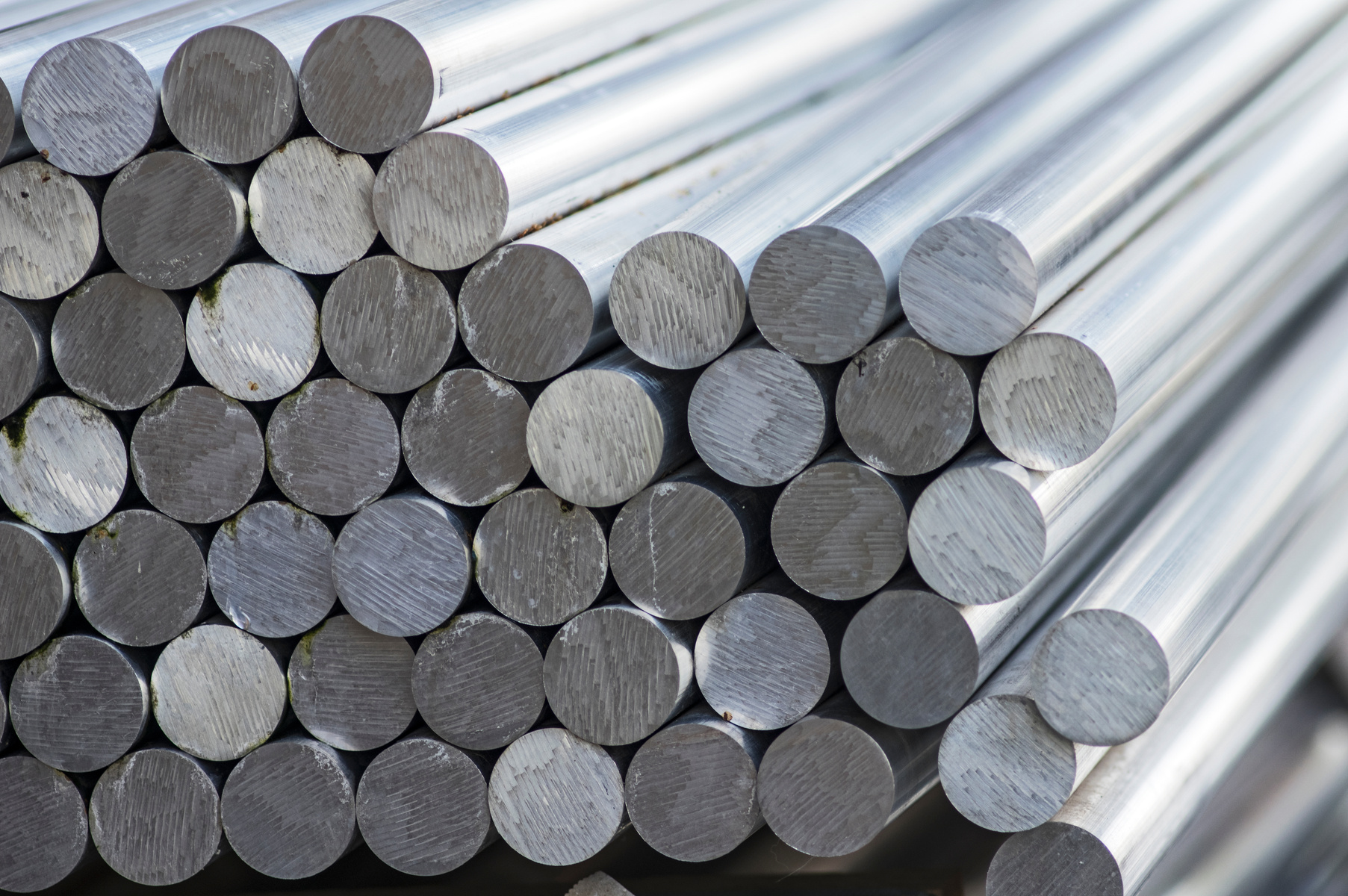
The Middle East now accounts for over 8% of global aluminum production and supplied nearly 20% of U.S. aluminum in 2025. Qatar and Bahrain suspended deliveries, forcing U.S. buyers toward Asia and Australia. Aluminum is critical for heat sinks, electrolytic capacitors, and chip packaging.
Qatar produces around a third of the world’s helium, integral to chipmaking (cooling and purging) and MRI machines. Spot prices jumped ~40% in a week, and early reports suggest the conflict could wipe out a third of global supply.
Saudi Arabia, the UAE, and Qatar together produce a quarter to a third of all sulfur worldwide. High-purity sulfuric acid is essential to wafer fabrication as a cleaning agent. Choking off Middle East supply could ripple across semiconductor manufacturing.
Sustained increases in energy prices will raise production costs for semiconductor manufacturing, a sector with ties to everything from consumer electronics to aerospace and defense, and one largely dependent on imported energy from the Middle East.
There are early signals that businesses are moving sourcing away from semiconductor manufacturers in the region. OEMs and other customers are shifting orders away from Israel-headquartered Tower Semiconductor, which has faced war-related production disruptions, toward alternatives like Vanguard International Semiconductor and Powerchip Semiconductor Manufacturing Corp. (PSMC).
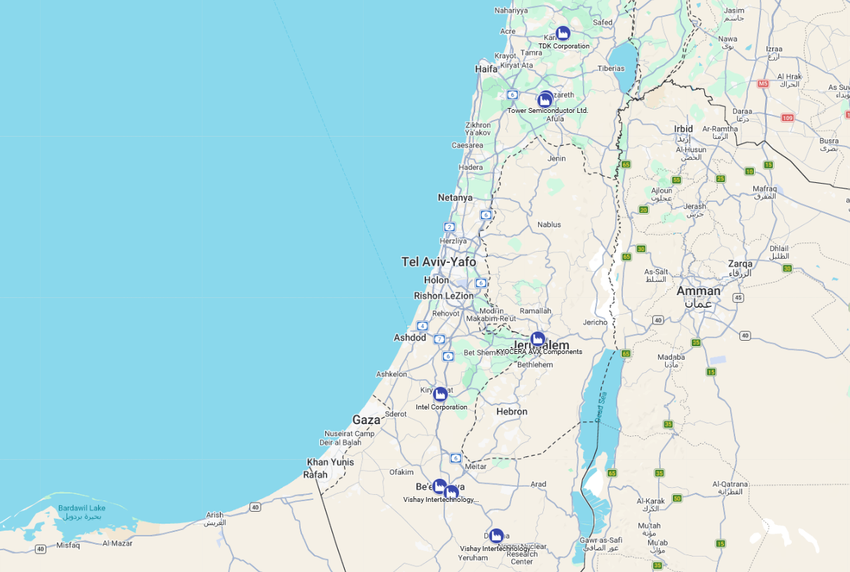
The following facilities, drawn from Z2’s internal database, may face disruption as a result of the conflict. The list spans semiconductor fabs, equipment suppliers, contract manufacturers, and industrial component sites, and is not intended to be exhaustive.
| Manufacturer | Products / Focus |
|---|---|
| Intel | Microprocessors |
| KYOCERA AVX | Passive components |
| TDK-Lambda | Programmable & AC-DC power supplies, DC-DC converters, EMC/EMI filters |
| Tower Semiconductor | RF, integrated power management, CMOS |
| Vishay Intertechnology | Resistors, inductors, ceramic capacitors |
| Manufacturer | Products / Focus |
|---|---|
| Ultra Clean Holdings | Gas delivery, fluid handling, semiconductor equipment |
| HORIBA Advanced Techno | Semiconductor measurement & analytical instrumentation |
| Servotronix Motion Control | Digital servo drives & motion control |
| MKS Inc. | Optics, laser measurement, instruments |
| Shemer / Industrial Motion | Speed changers, drivers, gears |
| Manufacturer | Products / Focus |
|---|---|
| Flex | PCBA, automotive parts |
| Jabil | Optoelectronic systems |
| Elimec Electro-Mechanical | Electromechanical & precision mechanical components |
| Electrotherm Industry | Industrial heating & thermal processing equipment |

Monitor 120+ disruption event types, including armed conflict, infrastructure damage, and transportation disruptions, and trace each one straight to the parts, BOMs, and sites it puts at risk.
Get a Demo