A Z2 analysis of the December 2024 export ban and its exposure across electronics supply chains
On December 3, 2024, China banned exports of gallium, germanium, antimony, and other critical materials to the United States. Z2 mapped the fallout: more than 700,000 parts and nearly 1,000 suppliers across 16 component types carry at least one of the banned elements.
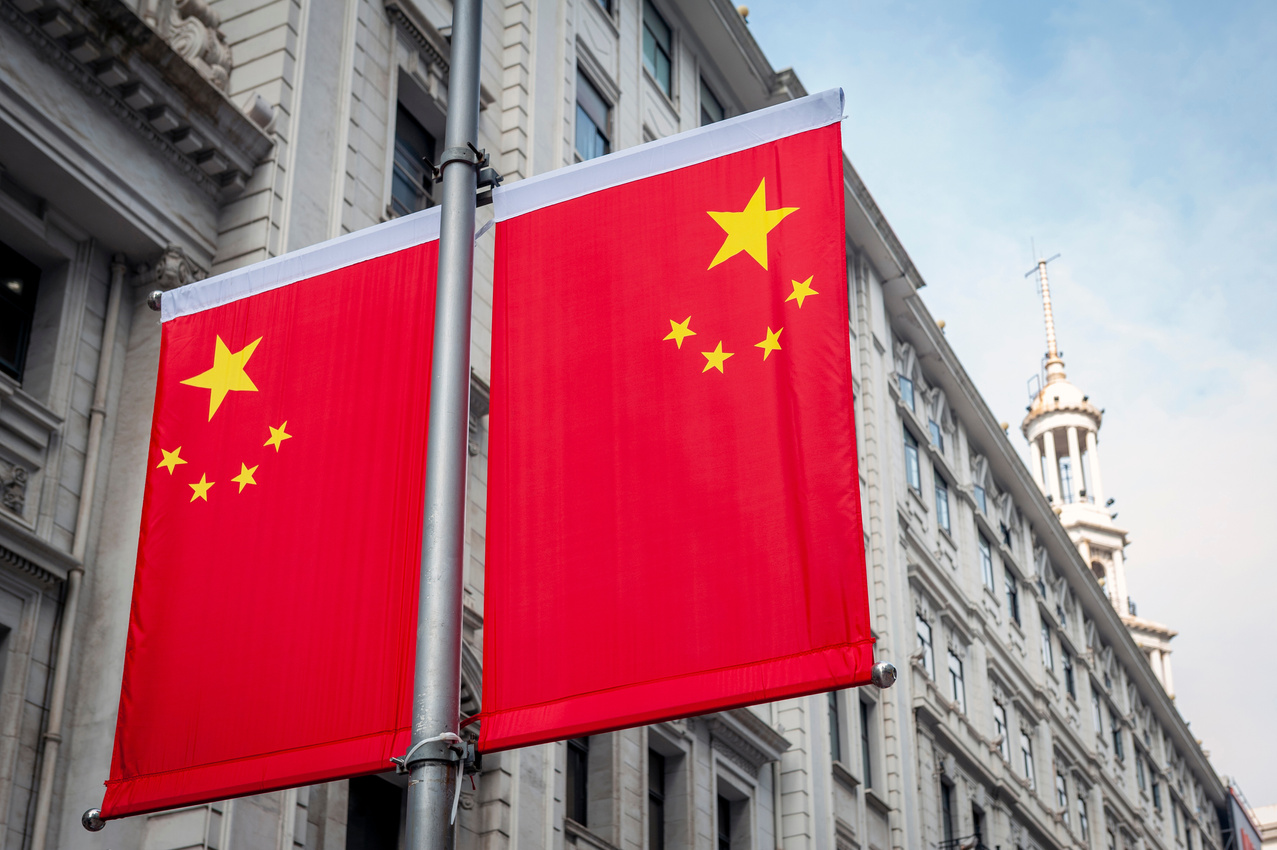
On Tuesday, December 3, 2024, China announced it would ban exports of gallium, germanium, antimony, and other materials critical to high-tech manufacturing. The move by the Chinese Commerce Ministry came one day after the U.S. Bureau of Industry and Security (BIS) amended the Export Administration Regulations (EAR) by adding 140 entities to its Entity List.
One hundred and twenty-five of the 140 listed entities are based in China, making it by far the most affected by the new U.S. restrictions. BIS justified the additions by citing entities allegedly involved in producing “advanced-node ICs” and semiconductor manufacturing equipment “contrary to the national security and foreign policy interests of the United States.”
The BIS Entity List grew nearly tenfold between 2011 and 2021. Today it restricts well over 1,000 entities from receiving U.S. exports without special licensing. China’s ban is a direct, escalating response.
This is not the first time China has moved to control technology-critical elements. The December 2024 ban is the sharpest step in an 18-month escalation, shifting from licensing requirements to an outright, country-specific prohibition.
What makes the new ruling different: unlike the 2023 measures, which required export licenses and lacked regional specificity, the December 2024 order imposes a total ban targeting the United States. Dual-use exports to U.S. military users are prohibited outright, and stricter end-use checks apply to graphite.
All three elements are foundational to semiconductor and electronics manufacturing. Gallium and germanium are not found naturally; both are byproducts of harvesting other metals such as zinc and bauxite. Antimony occurs naturally and is alloyed into batteries, semiconductors, and diodes.
| Element | Supply concentration |
|---|---|
| Gallium (Ga) | U.S. relies on China for 95% of supply |
| Germanium (Ge) | China = ~80% of global production (2012–2016) |
| Antimony (Sb) | China = 55% of global mine production (2022) |
China's share of global supply by element
Impacted parts by mineral content
A Z2 analysis of suppliers in its database found the potential impact to be significant. Nearly 1,000 suppliers produce components containing at least one of the banned elements, spanning 16 distinct component types. In total, an estimated more than 700,000 parts are exposed.
The majority of affected parts contain antimony (94%), followed by gallium (3%) and germanium (2%), with some parts containing a combination. Heavily affected products include MOSFETs, Zener diodes, transient voltage suppressors (TVS), rectifiers, and encoders.
700K+
parts containing a banned element
~1,000
suppliers affected
94%
of impacted parts contain antimony
16
distinct component types
The suppliers below are among the most affected, organized by component category. Each produces parts that contain one or more of the banned minerals, drawn from Z2's component and supplier database.
| Supplier | Minerals |
|---|---|
| KYOCERA AVX Components | Antimony |
| Vishay BC Components | Antimony |
| Kamaya | Antimony |
| Supplier | Minerals |
|---|---|
| Samtec | Antimony |
| Alpha Wire | Antimony |
| Molex LLC | Antimony, Gallium, Germanium |
| Supplier | Minerals |
|---|---|
| Harwin Plc | Antimony |
| Molex LLC | Antimony |
| AMP Inc. | Antimony |
| Supplier | Minerals |
|---|---|
| ROHM Co., Ltd. | Gallium |
| Broadcom, Inc. | Gallium, Antimony |
| Vishay Semiconductors | Gallium, Germanium |
| Supplier | Minerals |
|---|---|
| Littelfuse, Inc. | Antimony |
| Linear Technology Corp. | Antimony |
| TDK Electronics AG | Antimony |
| Supplier | Minerals |
|---|---|
| Microsemi Corp. | Antimony |
| NXP Semiconductors | Antimony, Germanium |
| Analog Devices | Antimony, Germanium |
Manufacturers must embrace multisourcing to mitigate the risks of the ongoing technology trade war. As researchers at the University of Tennessee noted, multiple sourcing reduces a firm’s exposure to shortages, strikes, natural disasters, and technological uncertainty, while maintaining competitiveness between suppliers.
The “China Plus One” strategy remains critical for companies aiming to lower their risk profile. Given escalating geopolitical instability, companies should examine their supply chains to identify components, suppliers, and manufacturing sites that are particularly vulnerable to single-country concentration.
When uncovering exposure to sanctioned entities, visibility is everything. Mapping sub-tier suppliers against sanction lists, and cross-referencing that against your own BOM, turns a headline into a specific, prioritized list of the parts and suppliers that put your production at risk.

Identify which manufacturers and businesses are sanctioned and pose supply chain risk by tracking 28 lists across 16 countries, then integrate that directly with your BOM to see exactly how a ban would hit your parts and suppliers.
Get a Demo