A proposed 25% duty on chip imports would ripple across nearly every electronics supply chain.
A Z2 analysis found that 2.8 million semiconductors with a country of origin outside the U.S. could be affected. Here’s the timeline, the most exposed component types, and how to see your own exposure.
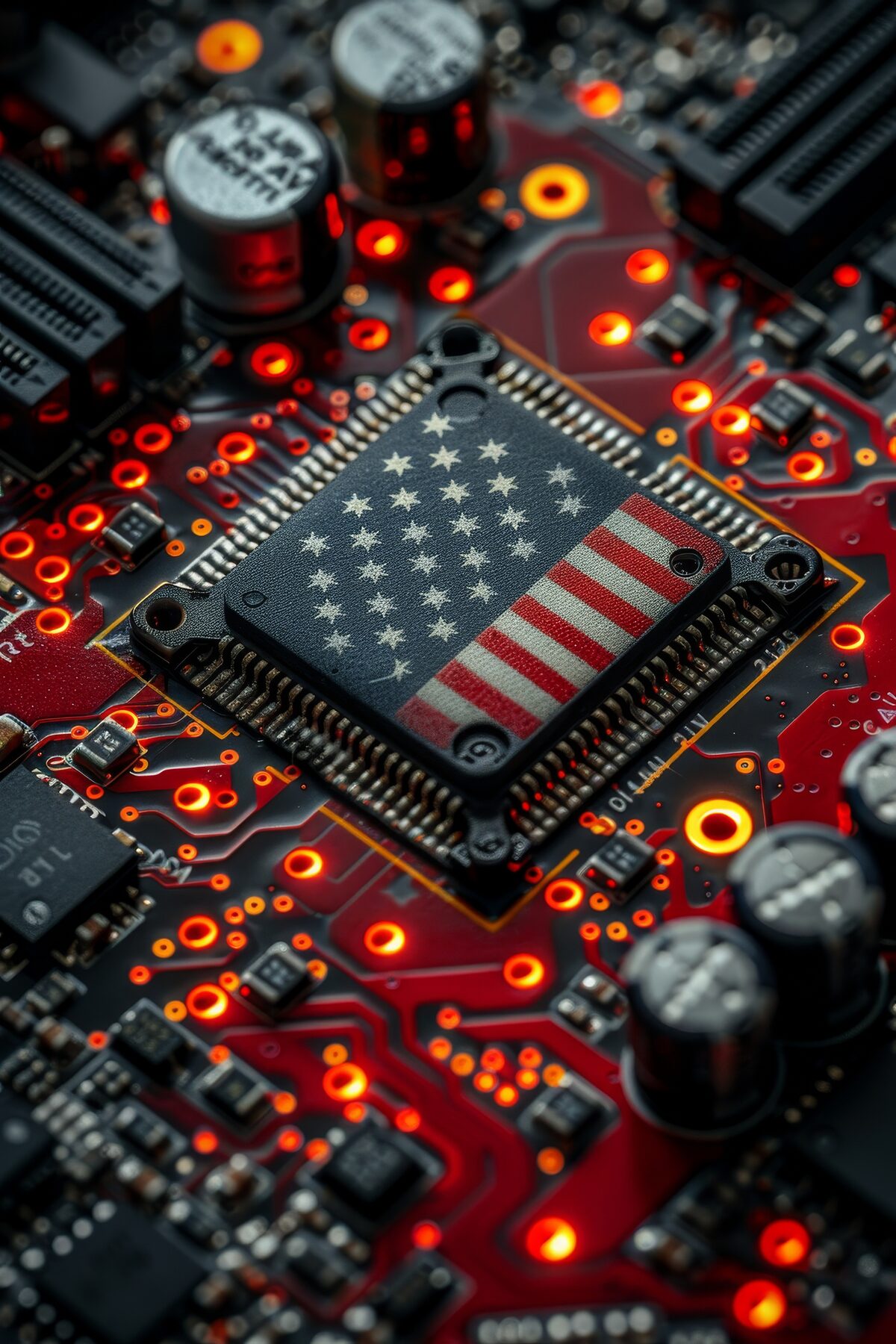
On February 18, President Trump announced he would impose tariffs “in the neighborhood of 25%” on several key product categories, including foreign cars, pharmaceuticals, and semiconductors. He told reporters the rates would be subject to change and would likely “go very substantially higher over a course of a year.”
The duties appear slated to take effect around April. Critically, they are not focused on one or even several nations — all products in those three categories imported into the U.S. would trigger the 25% duty, regardless of origin.
The U.S. imports nearly $140 billion in electronic components a year. Roughly $25 billion — about 18% — are semiconductors. A 25% tariff could cost importers an additional $6.35 billion.
In the weeks after taking office on January 20, the administration announced, threatened, or enacted a string of tariffs across countries and product categories.
China, Canada, and Mexico are the U.S.’s three largest trading partners; together, they account for around 45% of all American imports.
~10%
Of global semiconductor manufacturing capacity sits in U.S. fabs — and an even smaller share of advanced chips.
$65B
TSMC’s investment in a trio of Arizona fabs — repeatedly delayed, underscoring how hard domestic chipmaking is to stand up.
In theory, companies could restructure supply chains to buy from domestic chipmakers — the kind of reshoring the CHIPS and Science Act aimed for. In practice, the U.S. still lacks the expertise, facilities, and ecosystem for full manufacturing independence.
The vast majority of leading-edge semiconductors — including TSMC’s 3-nanometer chips — are made in Taiwan. Because of the way tariffs work, even chips made in part in the U.S. could still trigger the 25% levies, leaving most firms reliant on foreign manufacturing for some stage of production.
To size the impact, we isolated every semiconductor in the Z2 database with country-of-origin (COO) data, then filtered for parts with a COO outside the United States — those that would, in theory, be subject to the 25% tariff. We also compared the parts exposed to the country-specific tariffs already implemented or proposed.
Semiconductors exposed, by tariff regime
Five commodity groups stand to absorb a disproportionate share of the cost. Of nearly half a million oscillators in the Z2 database with COO data, over 99% originated outside the U.S. Hundreds of thousands of TVS devices, Zener diodes, rectifiers, and microcontrollers would be affected too.
| Top 5 Commodity Types | Parts in Z2 Database | Parts With Non-U.S. COO |
|---|---|---|
| Crystal Oscillators | 726,550 | 480,368 |
| Transient Voltage Suppressors (TVS) | 325,558 | 175,371 |
| Zener Diodes | 229,754 | 175,371 |
| Rectifiers | 196,405 | 159,627 |
| Microcontrollers (MCUs) | 189,989 | 148,170 |
Parts with a non-U.S. COO, by commodity type
The administration’s first six weeks showed tariffs being used as a negotiating tool. It is often hard to tell when, or whether, a proposed restriction will actually be implemented.
A core goal is pressuring chipmakers like TSMC and Samsung to manufacture in the U.S. But American fabs hold only ~10% of global capacity, and standing up advanced fabs takes years.
In the near term, across-the-board chip tariffs raise costs for thousands of manufacturers with no domestic alternative — costs that pass through to other businesses and consumers.

With part-to-site mapping, Z2 connects your bill of materials to the manufacturers and sites that build each part — pinpointing country of origin so you can see exactly which components are exposed to tariffs before the duties land.
Get a Demo