Research, analysis, and practical guidance for procurement engineers, supply chain managers, and compliance officers navigating complex global markets.

Z2 impact analysis of the escalating Iran conflict — the Strait of Hormuz shutdown, surging energy prices, and disruption to aluminum, helium, sulfur, and the semiconductor sites at risk across the region.

Z2 analysis of the AI-driven memory shortage — how HBM demand is pulling capacity away from DRAM and NAND, the EOL acceleration for DDR4, and the price and lead-time shocks buyers now face.

Z2 analysis of the Nexperia ownership dispute — the timeline, Nexperia’s dependence on China-based manufacturing, the commodity types most exposed, and how authorized-distributor and broker inventories shifted.

An analysis of the most pressing but under-recognized supply chain threats heading into 2025 — geopolitical, regulatory, component, and concentration risks.

An in-depth look at Malaysia's rise as a global electronics manufacturing center — key industries, investment zones, workforce dynamics, and supply chain risks.

How Vietnam became a critical electronics manufacturing hub — key companies, economic zones, labor dynamics, and the supply chain risks businesses need to navigate.
How a proposed 25% tariff on semiconductor imports could touch 2.8 million parts and add billions in costs — with the timeline, the most exposed commodity types, and how to see your own exposure.

Five restricted substances commonly turn up in electronics, from cable jacketing to housings. See where they hide and how to keep them out of your products.

The DHS added Zijin Mining — holder of ~75% of China’s copper reserves — to the UFLPA Entity List. What it means for manufacturers, and how Z2 flagged the risk 200+ days early.

A practical guide to the Uyghur Forced Labor Prevention Act — what it covers, which industries face the greatest exposure, and how to build compliance processes.
:quality(85))
How to move from reactive crisis management to proactive supply chain risk management, with risk models, supply chain mapping, and AI-driven monitoring.
:quality(85))
The types of AI reshaping supply chains, real use cases in demand forecasting and risk, the benefits and risks, and how to implement it effectively.
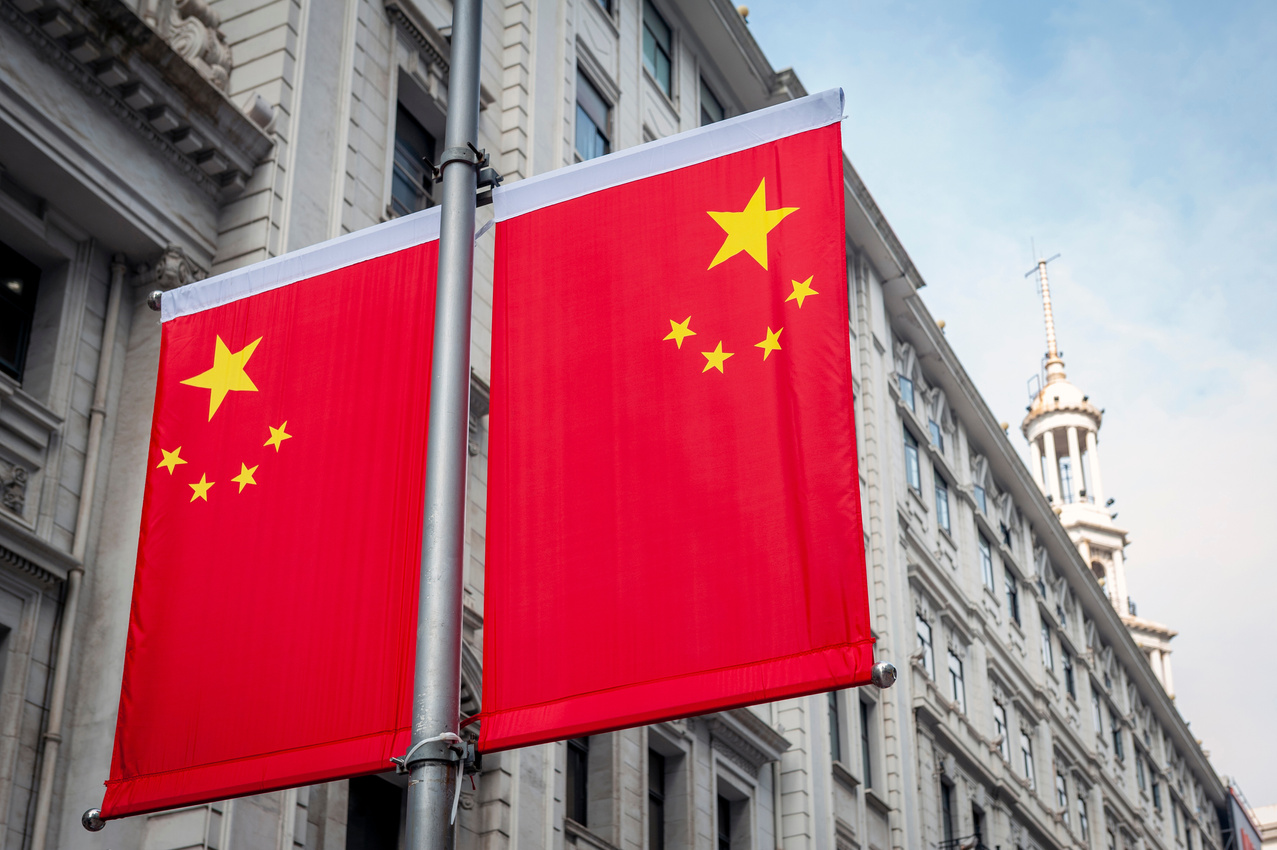
Z2 impact analysis of China’s December 2024 export ban on gallium, germanium, and antimony — which elements, how supply concentrates in China, and the parts, suppliers, and component types exposed.

Frameworks and tactics for building supply chain resilience — from multi-sourcing and nearshoring to real-time monitoring and risk scoring.
:quality(85))
A guide to ESG frameworks, the EU CSRD and CSDDD, Scope 1/2/3 emissions, reporting deadlines, and why engineers are central to sustainability.

Z2 analysis of East China as an electronics manufacturing hub — GDP, industrial parks, EMS companies, semiconductor fabs, and supply chain risks.
Data-driven analysis of component EOL trends, PCN patterns, semiconductor node obsolescence (MCUs, FPGAs, DRAM), and mitigation strategies.

Comprehensive guide to PFAS in electronics — what they are, why they matter, where they appear in components, and the regulatory landscape across the US and EU.

What California Proposition 65 requires of manufacturers, the penalties for non-compliance, and how Z2 helps companies track regulated substances in their supply chain.

Z2 assessment of the 7.4-magnitude Taiwan earthquake near Hualien — infrastructure disruption, regional shaking intensity, and a distance-graded view of the semiconductor and component suppliers most at risk.
:quality(85))
What conflict minerals (3TG) are, the U.S. and EU regulations governing them, how they appear in electronics, and how to run due diligence on your BOM.
:quality(85))
Forced labor in technology supply chains, the global regulations shifting the burden of proof onto importers, and how to build a due diligence program.
:quality(85))
How REACH registration works, the SVHC Candidate List, how substances get added, how REACH differs from RoHS, and the latest substances of very high concern.
:quality(85))
The 10 RoHS restricted substances, the 11 impacted product categories, exemptions, certification, China RoHS, and how RoHS differs from REACH.
:quality(85))
What SCRM is, the seven core risk areas every program must cover, and how Z2 helps you map and resolve supply chain risk before it hits production.
:quality(85))
How a component database consolidates parametric, lifecycle, compliance, and pricing data on billions of parts, instead of hunting across datasheets and portals.
:quality(85))
How engineers find the best cross-reference parts using form-fit-function grading, A/B/C drop-in tiers, manufacturer stability, and proactive lifecycle planning.
:quality(85))
BOM types (EBOM, MBOM, SBOM), single vs. multi-level structure, the line-item fields that matter, and how a well-built BOM reduces supply chain risk.
See how Z2 combines 1B+ component records, real-time disruption monitoring, and expert analysis to protect your supply chain.